What You Need to Know About Weight Loss In Tampa, FL
Semaglutide is a glucagon-like peptide 1 receptor agonist (GLP-1) that has been FDA-approved for chronic weight management in adults who are obese or overweight with at least one weight related condition like high blood pressure, type 2 diabetes, cholesterol, and fatty liver, etc. Being obese or overweight is a serious health issue associated with leading causes of death from heart disease, stroke, and diabetes.
In June 2021, the FDA approved subcutaneous semaglutide for long term weight management with doses up to 2.4mg once weekly. In the large clinical trial, patients who received 2.4mg of Semaglutide lost an average of 6% of their weight by week 12 and 12% of their weight by week 28.
Read about in: Once-Weekly Semaglutide in Adults with Overweight or Obesity
How Does Semaglutide Work?
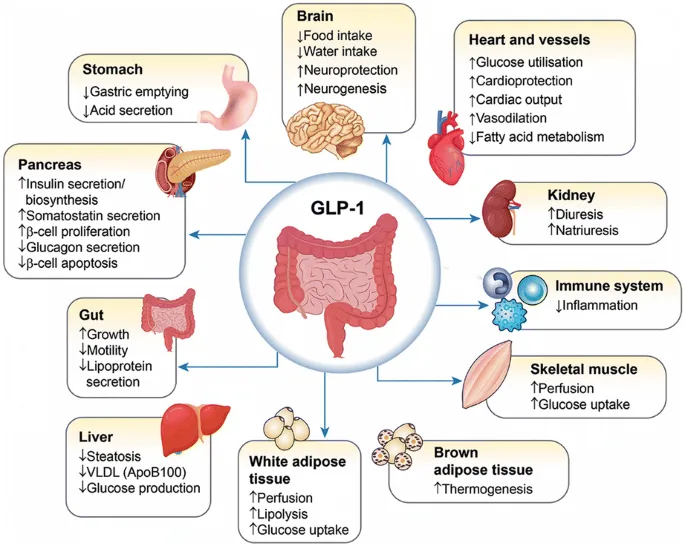
Semaglutide simulates the natural hormone produced in the intestines that helps people feel full after they eat. It also stimulates insulin secretion to allow cells to take up glucose and inhibits glucagon secretion to prevent more glucose from being released into the bloodstream to lower blood sugar levels. It is known as an appetite suppressant to help contribute to its weight loss properties. There’s also evidence that they contribute to weight loss by lowering the body’s natural “set point” for weight.
How is Semaglutide Administered?
It is a once-weekly subcutaneous injection. Some patients may be afraid of injections, but this medication is straightforward with a VERY SMALL needle into the abdominal area or the inner thigh. It may be used with or without food.
The Known Side Effects of Semaglutide
Most common side effects are:
Nausea, diarrhea, vomiting, constipation, stomach pain, headache, tiredness, upset stomach, dizziness, bloating, belching, gas, stomach flu, and heartburn.
Most of the symptoms are manageable and are most likely due to the effect of feeling full. If you feel sick after starting Semaglutide, then you may be eating too much, leading you to have some of the symptoms listed above. In this situation, it is best to eat smaller meals and avoid fasting for long periods of time to prevent rebound hunger. Every patient will start on a low dose and gradually increase over time depending on each individual weight loss journey.
One of the well-known remedies for nausea is found to be ginger. We recommend patients incorporate ginger root (peeled) into their meals or drink ginger tea to alleviate the symptoms.
Who is Not Qualified For Semaglutide?
There are rare situations where semaglutide is contraindicated. Patients with a personal or family history of medullary thyroid carcinoma or in patients with Multiple Endocrine Neoplasia syndrome type 2 (MEN 2) should not take Semaglutide.
Does Insurance Cover Semaglutide
Our office will NOT be taking insurance for the weight loss program. We will NOT submit any claims to insurance for the office of Alpha Omega Wellness. The patient is solely responsible for all visits and medication costs.